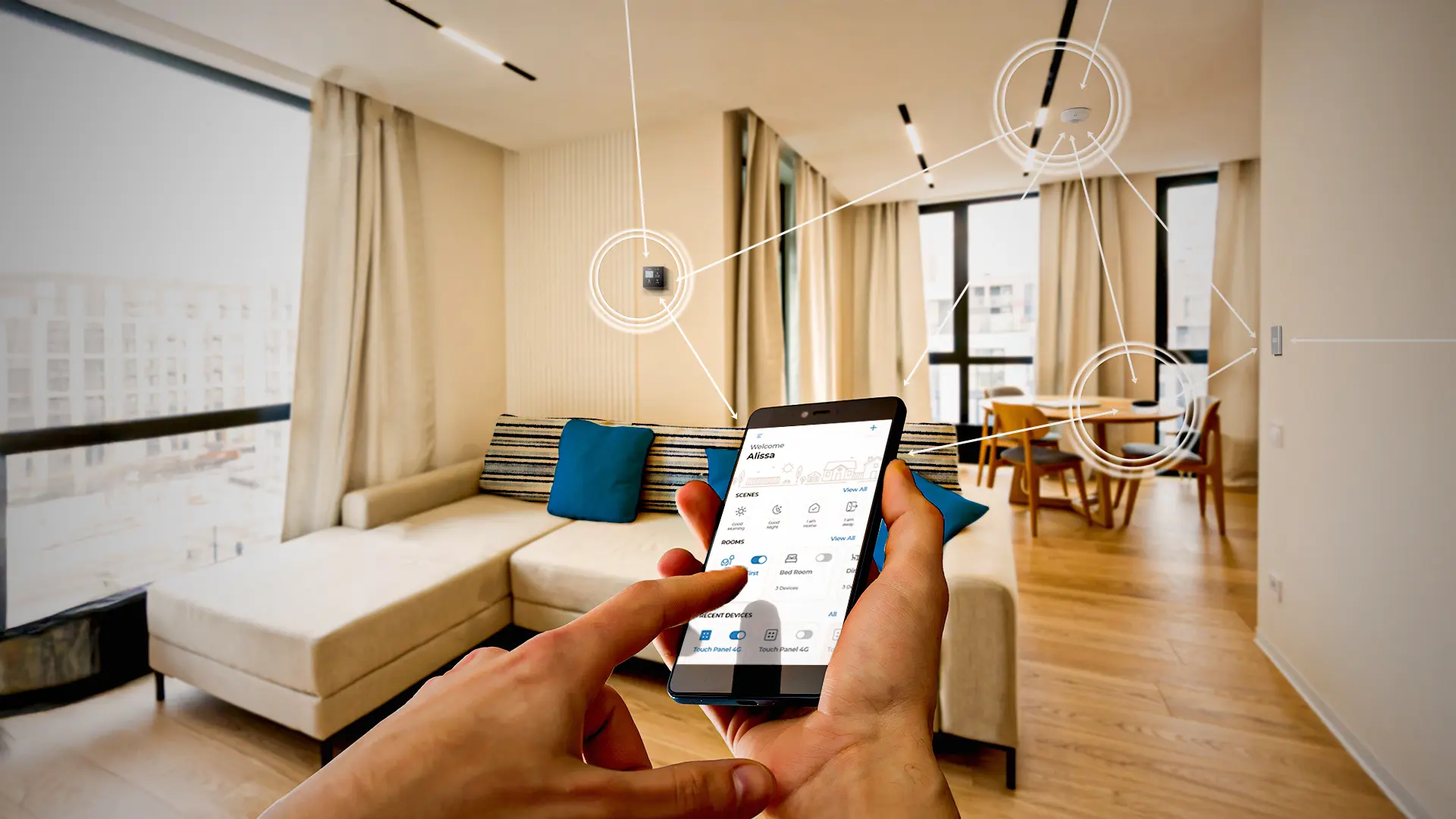
You do not need to create a new property to enjoy smart technology. You can simply turn your house into a smart home by adding connected devices. Moreover, these devices can work with the rooms you already use. Smart lighting, automated blinds, heating controls, security devices, and entertainment systems can all be linked. Therefore, start by looking at how you use your home each day.
Think about the tasks you want to automate. You may wish for the lights to follow a schedule or you may want blinds to fix at certain times. Furthermore, you may also want entertainment systems to work from one control point. This is why starting with your daily needs keeps the setup functional. It also shows which areas should be automated first. You can then improve the system as your needs evolve.
Start with your home’s main needs
The best way to turn your house into a smart home is to start with basic necessities. Look at areas where automation could add to your daily routine. Lighting is a common starting point. Therefore, you can connect lights to schedules, sensors, or scenes. Moreover, automated blinds can also help with lighting. They can create different settings throughout the day. Furthermore, heating and cooling controls can offer another useful addition. Entertainment systems can also be linked. This allows you to manage music, television, and other devices through one system.
Additionally, security can be included too. This is done through connected cameras, locks, and sensors to become part of the system. You do not have to automate every room at once. Start with a few helpful functions. This makes the system easier to understand.
Select devices that can work together
Compatibility is important in any smart home setup. Moreover, different devices may use different platforms or control systems. They may also use specific communication methods. Therefore, choosing compatible products can avoid problems later. This is where smart home automation becomes more than a collection of single gadgets. A connected system can let different devices work to just one command. Furthermore, they can also respond to a programmed scene. For example, one setting could close the blinds. It could also adjust the lighting.
Alternatively, your entertainment system could start at the same time. Therefore, before buying equipment, check how it will connect with your existing devices. Think about future additions too. A system that can grow with your home is more useful. It can also give you more flexibility as your needs evolve with time.
Plan the installation around your existing home
Your current wiring can affect how automation is fit in. Moreover, your home’s layout can also make a difference. Windows, lighting, and other features should be thought about too. Some systems can be added with very less changes. Others may need more expert planning. Therefore, you are researching home automation Kensington consider your home’s structure first. Also, if you are looking for or smart home automation surrey than think about the technology you want to add. This is because a proper plan can show where controls, sensors, hubs, and devices should be placed.
Additionally, it can help keep the system consistent across different rooms. You may want to automate only selected areas at first. Alternatively, a bedroom may have different needs from a living room. A kitchen or outdoor space may need another approach. Planning these details early can decrease the need for changes later.
Conclusion: Build your smart home step by step
Turning your property into a connected home does not mean changing over everything. You can start with the functions that are more important. Then, you can improve over time. A home automation expert can evaluate your property and discuss your needs. Moreover, they can also help plan how different systems can work together. This can be useful when you want different features controlled through one setup. Furthermore, the right approach depends on your home and existing infrastructure. Therefore, your preferred devices and future plans also matter. Livora offers smart home solutions designed around connected living and seamless control.
With thoughtful planning, you can turn your house into a smart home without starting from scratch. You can start with lighting or blinds, while entertainment, climate, and security can be added later. An effective approach can make the transition easier. Alternatively, it can also give you more ease as your needs develop. The goal is not just to add more technology. It is to make a connected environment that works naturally with your daily routines.
FAQs: Answering some important question
What should I automate first?
Lighting, blinds, heating, and entertainment are useful starting points for many existing homes.
Can I automate an older house?
Yes, many smart home systems can be installed in existing properties, depending on their wiring and structure.
Do I need expert installation?
Professional planning can help when you want different systems connected and controlled as one unit.